.../Case-studies/ecommerce-app...
E-commerce App Case Study
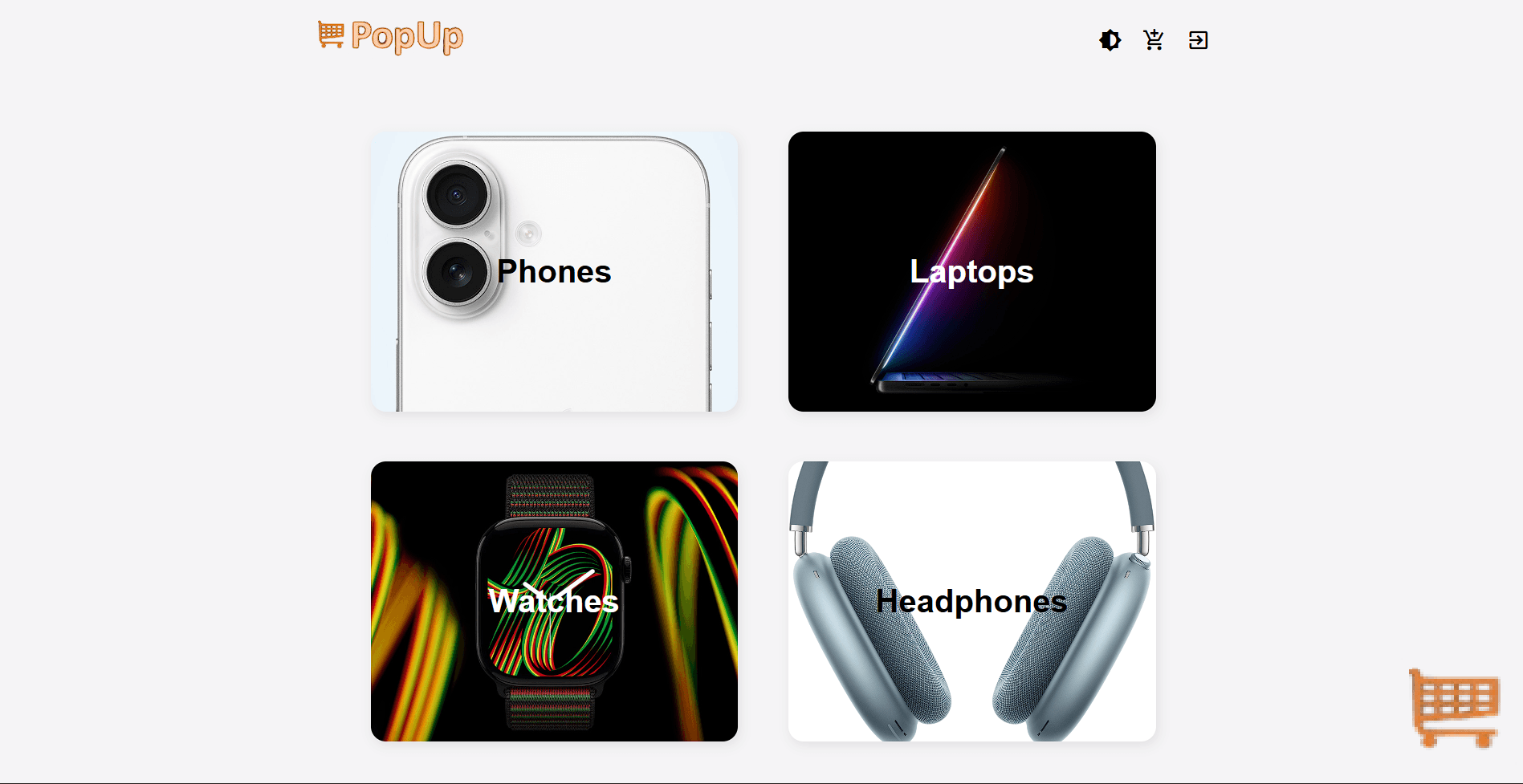
Tech Stack used:
- React for frontend
- Node & Express for backend
- MongoDB for scalable data storage
- Razorpay payment gateway integration
- RESTful APIs for product and order management
Introduction
PopUp — Built a comprehensive e-commerce platform, including product listings, secure cart functionality, and user accounts. Implemented user authentication, efficient product management, and a secure checkout process for electronics products
Why did I build this?
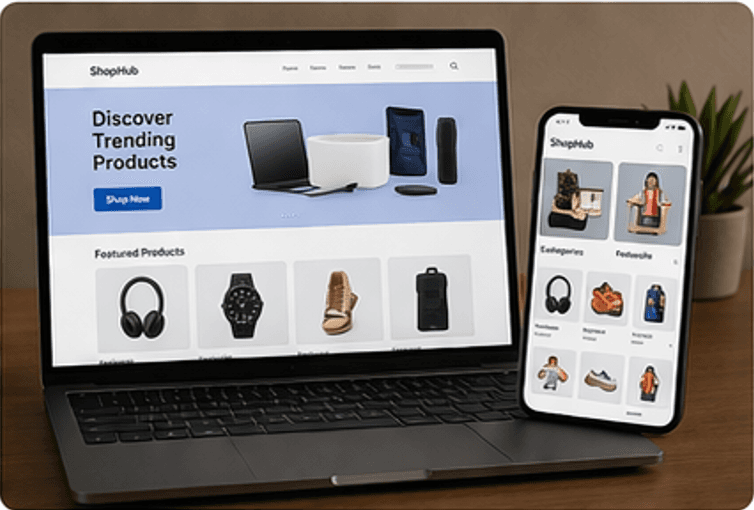
I built this project to gain practical experience in developing a real-world e-commerce application using the MERN stack. The primary goal was to understand core concepts such as authentication flows, REST API development, database management, and seamless frontend-backend communication.
This project also helped me explore how scalable architectures are designed in modern online shopping platforms, including handling user sessions, product data, and order processing.
What problems did I face?
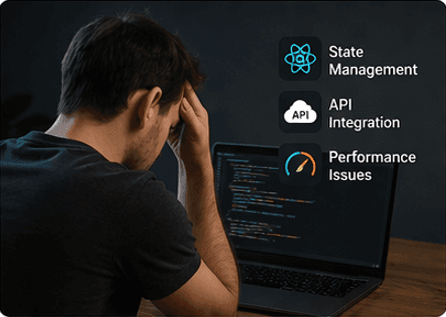
One of the main challenges I encountered was integrating a third-party payment gateway using Razorpay. Initially, I faced issues while passing dynamic product details to the payment SDK. While the payment amount was being updated correctly, product-specific information such as item names was not rendering as expected. Resolving this required a better understanding of how the SDK handles metadata and how to structure the payload correctly.
Another issue was related to data management. Since the application initially had a limited number of products, I stored product data in a static JSON file on the frontend. While this worked for early development, it is not a scalable or professional approach, as it affects maintainability, data consistency, and overall code quality.
What would I improve now?
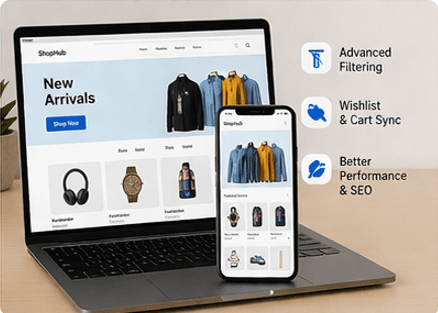
If I were to improve this project further, I would focus on making the shopping cart system more dynamic and robust. This would include better state management, accurate price calculations, and improved user interaction during cart updates.
Additionally, I would explore integrating AI-based recommendation systems to enhance user experience. For example, suggesting relevant products during checkout based on user behavior, cart contents, or purchase history could significantly improve engagement and conversion rates.