.../Case-studies/parking-booking-app...
Parking Booking App Case Study
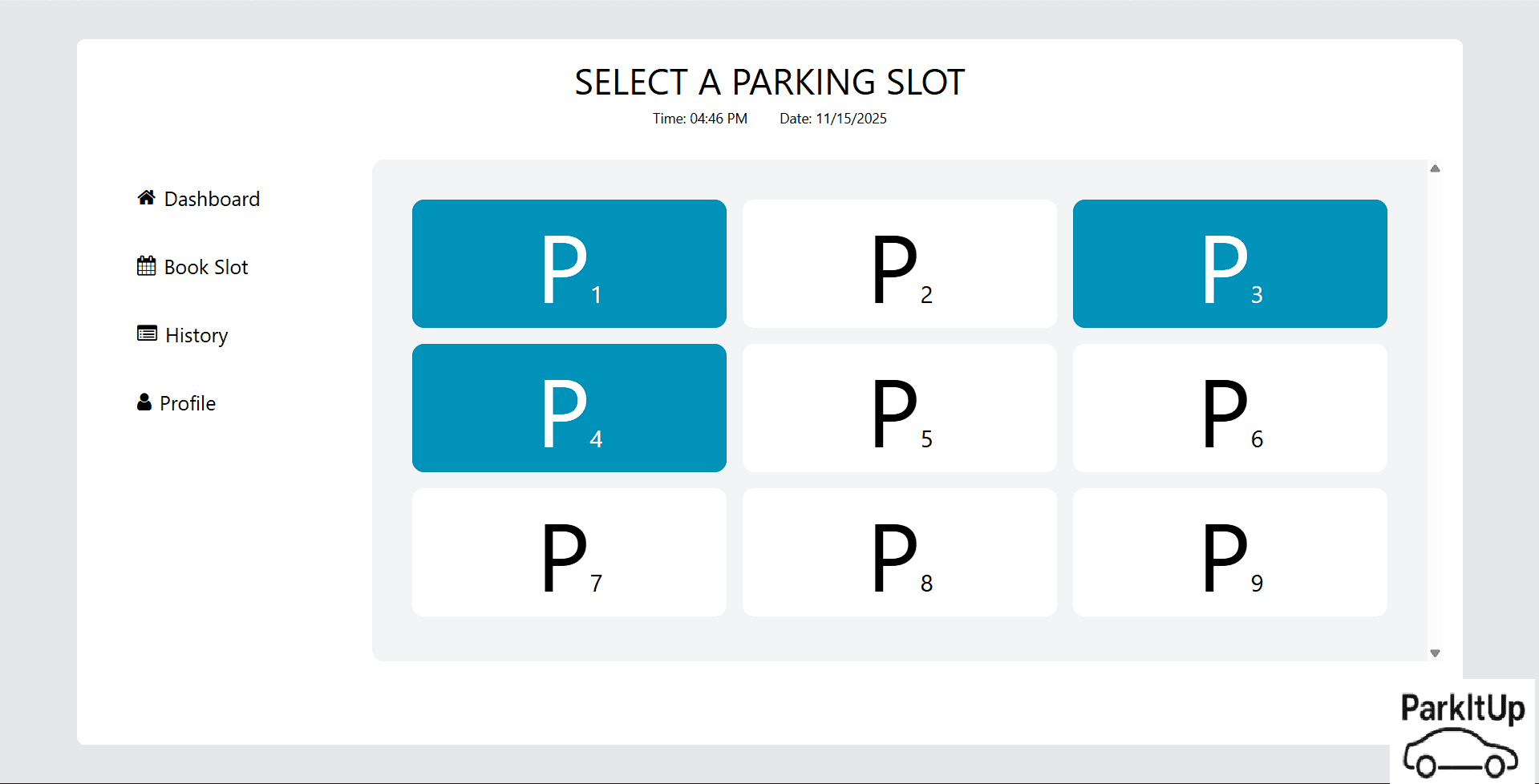
Tech Stack used:
- React for frontend
- Node & Express for backend
- MongoDB schema design for slot management
- REST API for booking system
- RazorPay integration for payments
- JWT-based Authentication
Introduction
ParkItUp is a full-stack parking slot booking management system that allows users to check parking availability and reserve slots through a web interface. The project demonstrates a complete frontend-backend workflow including API handling, state management, and dynamic slot allocation.
Why did I build this?
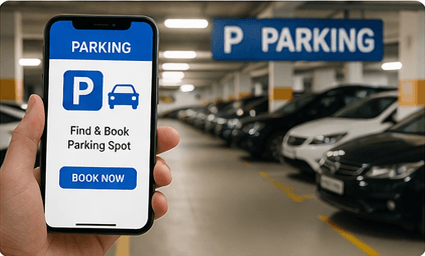
I built this project to gain hands-on experience in developing a real-world full-stack application using the MERN stack. The primary objective was to understand end-to-end system design, including frontend-backend communication, REST API development, and efficient data handling using MongoDB.
The idea originated from a common urban problem—parking congestion. In densely populated cities like Delhi, finding a parking spot is often time-consuming due to high traffic and limited space. This inspired me to design a parking booking system that allows users to reserve slots in advance. The platform enables users to book parking spaces before reaching their destination, reducing uncertainty and improving convenience—similar to booking seats in a movie theatre.
What problems did I face?
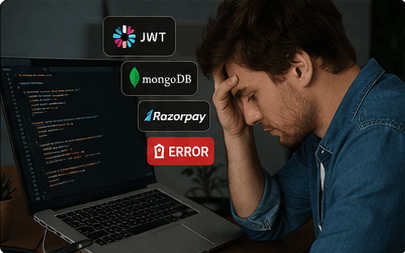
During development, I encountered several challenges, particularly while implementing real-time booking logic. One major issue was ensuring that once a parking slot is booked by a user, it is immediately reflected as unavailable to all other users. Initially, due to improper schema relationships and lack of centralized state handling, the system treated bookings as user-specific rather than globally synchronized.
I resolved this by restructuring the database schema and improving the way booking data was referenced and updated, ensuring consistency across all users. Another challenge was integrating the payment gateway. While implementing success and failure flows was straightforward, retrieving and displaying transaction-specific details (such as payment ID and session ID) on the success page required additional backend handling. This was important because the success page also acted as a receipt for user verification during parking entry and exit.
What would I improve now?
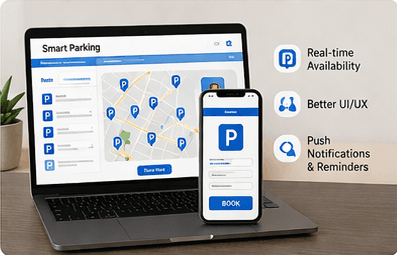
If I were to enhance this project further, I would integrate Internet of Things (IoT) capabilities to make the system more scalable and future-ready.
Instead of relying on manual verification or receipts, users could simply scan a QR code at the parking location. This would automatically validate their booking, allow entry, and similarly handle exit by freeing up the slot in real-time. Such an approach would not only improve user experience but also automate parking management, making the system more efficient and aligned with smart city infrastructure.